///
Hidden Hands
16,98 lei
0,59 lei înapoi în contul Yoloz
Tracing the Victorian crisis over the representation of working-class women to the 1842 Parliamentary bluebook on mines, with its controversial images of women at work, Hidden Hands argues that the female industrial worker became even more dangerous to represent than the prostitute or the male radical because she exposed crucial contradictions between the class and gender ideologies of the period and its economic realities. Drawing on the recent work of feminist historians, Patricia Johnson lays the groundwork for a reinterpretation of Victorian social-problem fiction that highlights its treatment of issues that particularly affected working-class women: sexual harassment; the interconnections between domestic ideology and domestic violence; their relationships to male-dominated working-class movements such as Luddism, Chartism, and unionism; and their troubled connection to middle-class feminism. Uncovering a series of images in Victorian fiction ranging from hot-tempered servants and sexually harassed factory girls to working-class homemakers pictured as beaten dogs, Hidden Hands demonstrates that representations of working-class women, however marginalized or incoherent, reveal the very contradictions they are constructed to hide and that the dynamics of these representations have broad implications both for other groups, such as middle-class women, and for the emergence of working-class women as writers themselves.
Cum primești cashback-ul
Cumperi prin YolozApeși „Cumpără” și finalizezi comanda pe Antic Exlibris.
Confirmat în ~45 de zileDupă ce trece perioada de retur a magazinului.
16,98 lei+0,59 lei cashback
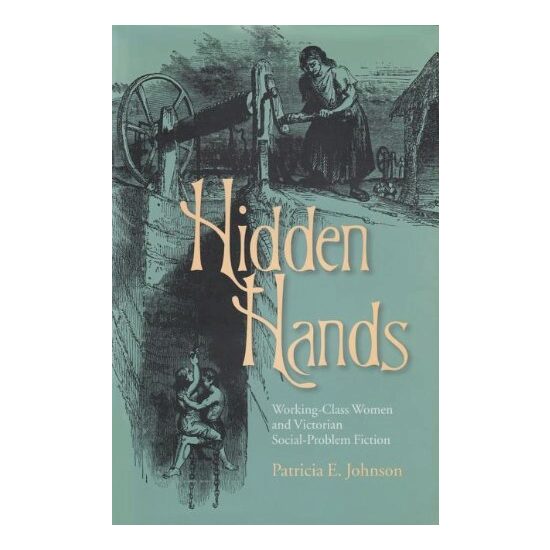
Hidden Hands
Tracing the Victorian crisis over the representation of working-class women to the 1842 Parliamentary bluebook on mines, with its controversial images of women at work, Hidden Hands argues that the female industrial worker became even…
Cea Mai Bună Ofertă
Preț avantajos verificat
În Stoc

Antic Exlibris
16.98lei
0,59 lei cashback
Promoții Antic Exlibris
Cea Mai Bună Ofertă
Preț avantajos verificat
În Stoc
Antic Exlibris
16.98lei
0,59 lei cashback
Promoții Antic Exlibris
Istoric Prețuri
Preț ridicatmai mare decât de obicei
Acum 16,98 lei la Antic Exlibris. De obicei între 8,99 lei și 13,99 lei în ultimele 30 de zile.
Azi 16,98 lei
ObișnuitRidicat
min 8,99 leimax 16,98 lei
Prețul la Antic Exlibris în ultimele 30 de zile
Cel mai mic preț în 30 de zile
8,99 lei
Antic Exlibris · 3 octombrie
Față de minimul perioadei
+7,99 lei
minim 8,99 lei pe 3 octombrie
- Categorie
- Literatură > NonFicțiune